🗳️ 48-Hour Silence Period in India: Can Political Campaigns Send Bulk SMS Service, Bulk WhatsApp Service & Bulk Voice Calls Before Polling?
📢 Introduction
Digital communication has transformed election campaigning. Political parties now use Bulk SMS Service, Bulk WhatsApp Service, and Bulk Voice Call Service to reach voters instantly with campaign announcements, rally updates, volunteer coordination, and voter awareness messages.
However, election communication in India is governed by specific legal provisions and guidelines. One of the most important is the 48-hour silence period, which begins shortly before polling starts. During this period, political campaigning is subject to significant restrictions intended to give voters time to reflect without active campaigning.
Understanding the 48 hour silence period election campaign rules India is essential for political parties, candidates, campaign managers, digital agencies, and communication service providers. Proper planning helps campaigns remain compliant while avoiding unnecessary legal or regulatory issues.
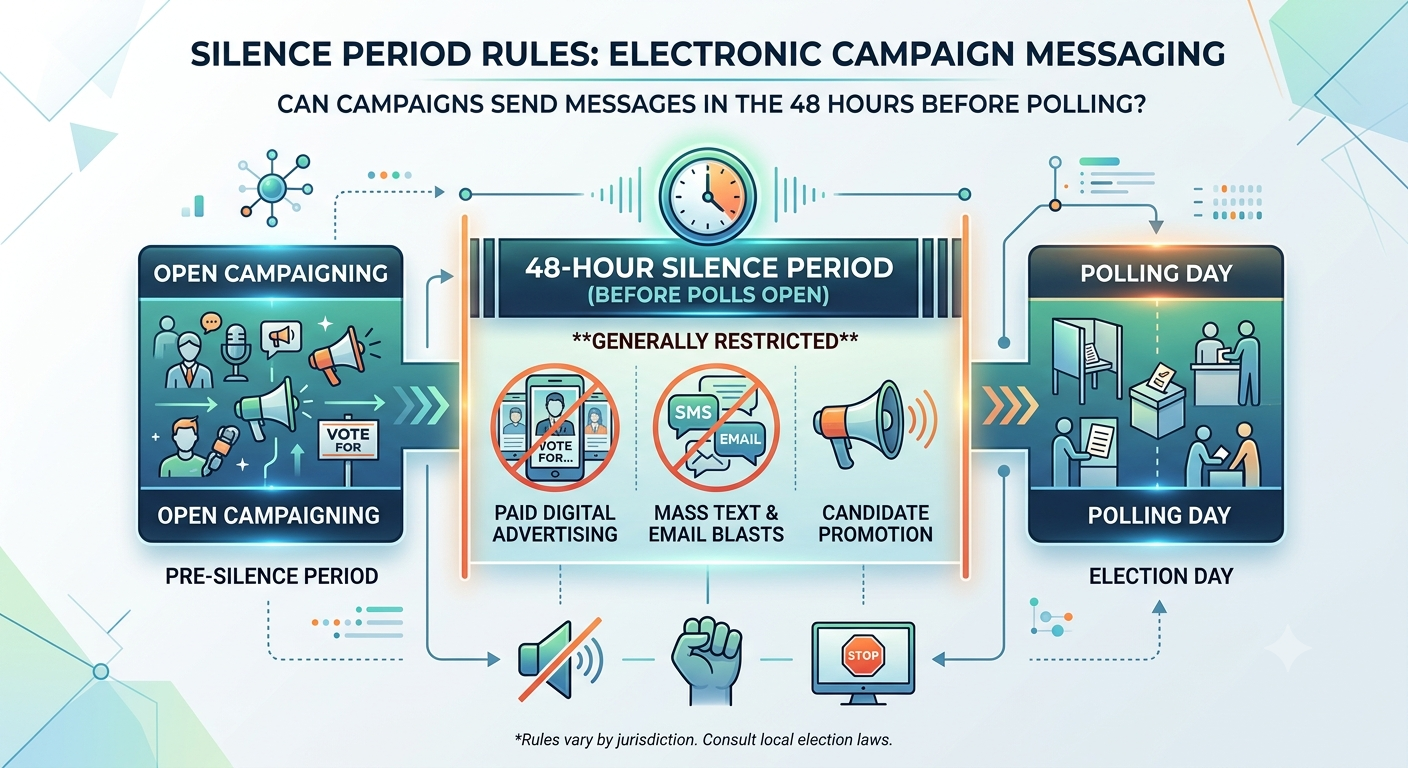
⚖️ What Is the 48-Hour Silence Period?
The 48-hour silence period is the period immediately preceding the close of polling during which public election campaigning is restricted under Indian election law.
The objective of this rule is to:
- 🗳️ Allow voters to make informed decisions without last-minute campaigning.
- 🤝 Promote free and fair elections.
- 📢 Reduce aggressive campaign activity before polling.
- 📜 Maintain the integrity of the electoral process.
Campaign teams should be aware of the applicable restrictions for every constituency in which voting is taking place.
📅 When Does the Silence Period Begin?
The silence period generally begins 48 hours before the scheduled close of polling in the relevant constituency.
Since polling dates may differ across states and phases, campaign teams should carefully monitor the election schedule announced by the Election Commission of India (ECI).
For multi-phase elections, the silence period applies separately for each phase and constituency.
📱 How Does the Silence Period Affect Bulk SMS Service?
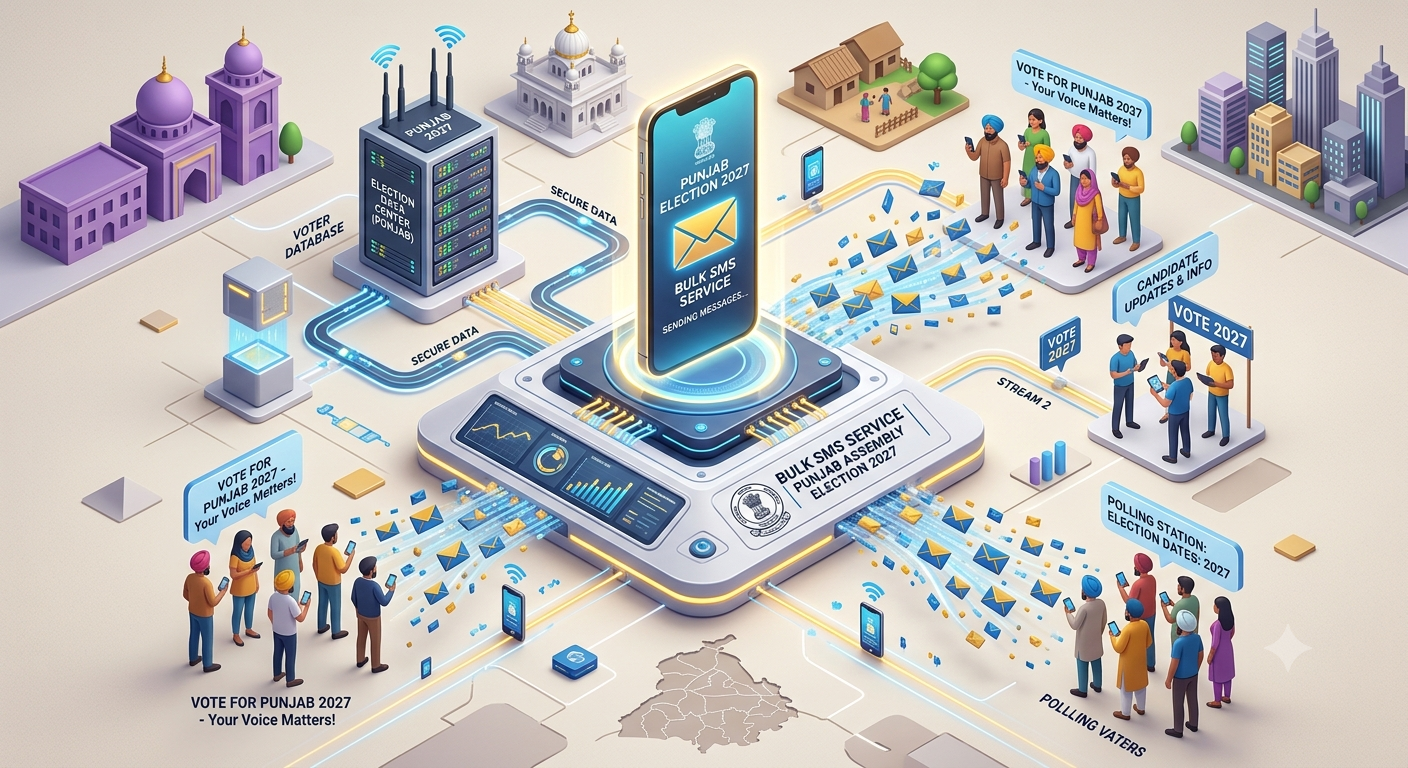
Bulk SMS Service is widely used during election campaigns because it provides fast, reliable communication across both smartphones and feature phones.
Typical campaign SMS include:
- Rally invitations
- Candidate introductions
- Manifesto highlights
- Campaign slogans
- Polling reminders
- Volunteer coordination
Once the silence period begins, campaign teams should carefully evaluate any planned SMS communication to ensure it complies with applicable election laws and ECI directions.
Best Practices
- 📅 Complete campaign SMS well before the silence period starts.
- 📋 Review scheduled campaigns in advance.
- ⏸️ Pause promotional election messaging during restricted periods where required.
- 👨⚖️ Consult legal or compliance advisors if there is any uncertainty.
Proper campaign scheduling helps avoid accidental message transmission during restricted hours.
💬 Bulk WhatsApp Service During the Silence Period
Many political organizations use Bulk WhatsApp Service to distribute campaign material, including:
- 📄 Manifestos
- 📸 Candidate posters
- 🎥 Campaign videos
- 📢 Event announcements
- 📍 Constituency updates
Campaign managers should review all scheduled WhatsApp broadcasts before the silence period begins.
Good practices include:
- Cancel or pause scheduled campaign broadcasts where required.
- Avoid sending promotional campaign material during restricted periods.
- Ensure official communication teams understand applicable election guidelines.
- Keep internal communication separate from public campaign messaging where appropriate.
📞 Bulk Voice Call Service During the Silence Period
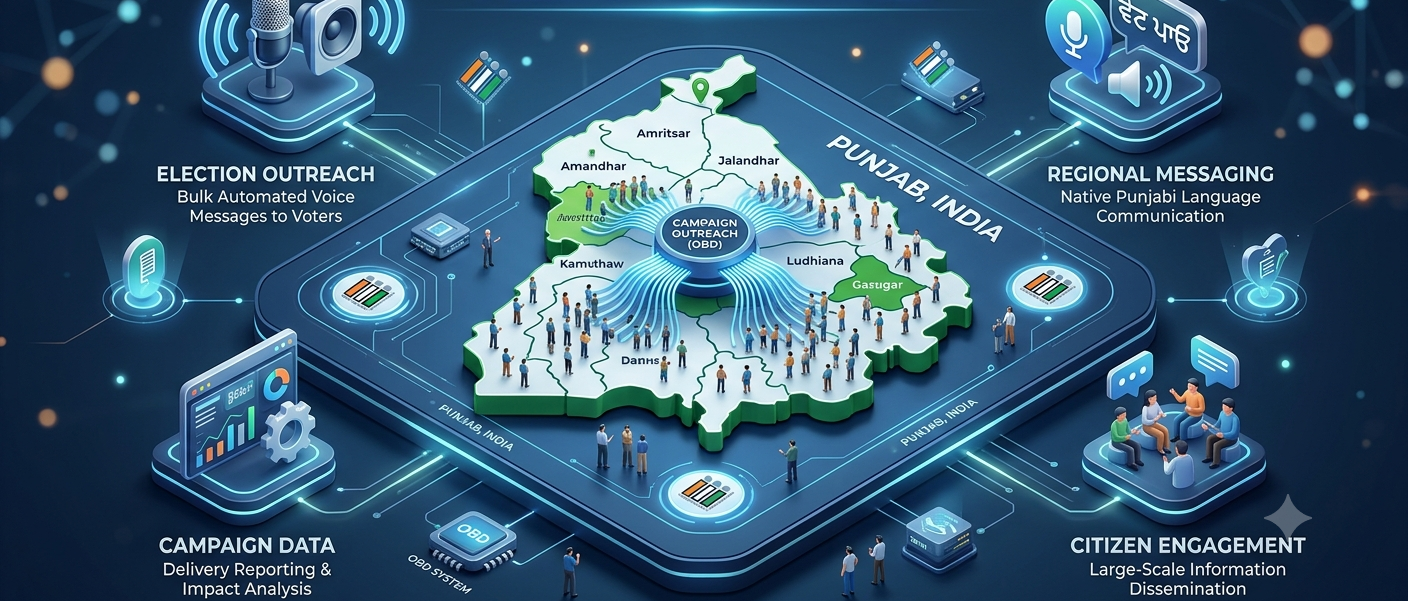
Political parties often use Bulk Voice Call Service to broadcast recorded messages from candidates or party leaders.
Common examples include:
- Candidate appeals
- Rally reminders
- Campaign announcements
- Polling information
- Regional language outreach
Campaign organizers should ensure that automated voice campaigns are reviewed and managed in accordance with applicable election rules before the silence period begins.
🚫 Campaign Activities That Require Careful Review
As the silence period approaches, campaign teams should review activities such as:
- 📢 Promotional Bulk SMS campaigns
- 💬 Bulk WhatsApp campaign broadcasts
- 📞 Automated https://nexcomm.in/services/bulk-voice-calls-campaign
- 📲 Digital advertising schedules
- 📺 Online promotional content
- 📻 Public campaign announcements
Requirements can vary depending on the nature of the communication and applicable election directions. Campaigns should always follow official guidance.
✅ How Campaign Teams Can Prepare
Proper planning is the best way to avoid compliance issues.
1. Create a Campaign Calendar
Schedule all promotional communication well before restricted periods begin.
2. Review Automated Campaigns
Check all scheduled SMS, WhatsApp, and voice call campaigns to ensure they do not run unintentionally.
3. Coordinate with Service Providers
Inform your Bulk SMS, Bulk WhatsApp, and Bulk Voice Call service providers about campaign schedules and any required pauses.
4. Train Campaign Volunteers
Ensure campaign staff understand when promotional communication should stop.
5. Monitor Election Notifications
Follow official updates from the Election Commission regarding polling schedules and election instructions.
📈 Why Compliance Matters
Following election communication rules helps political organizations:
- ✔ Build public trust.
- ✔ Reduce compliance risks.
- ✔ Maintain a professional campaign image.
- ✔ Improve operational planning.
- ✔ Support fair electoral practices.
Compliance is not only a legal responsibility—it also demonstrates commitment to ethical campaigning.
💼 Choosing the Right Communication Partner
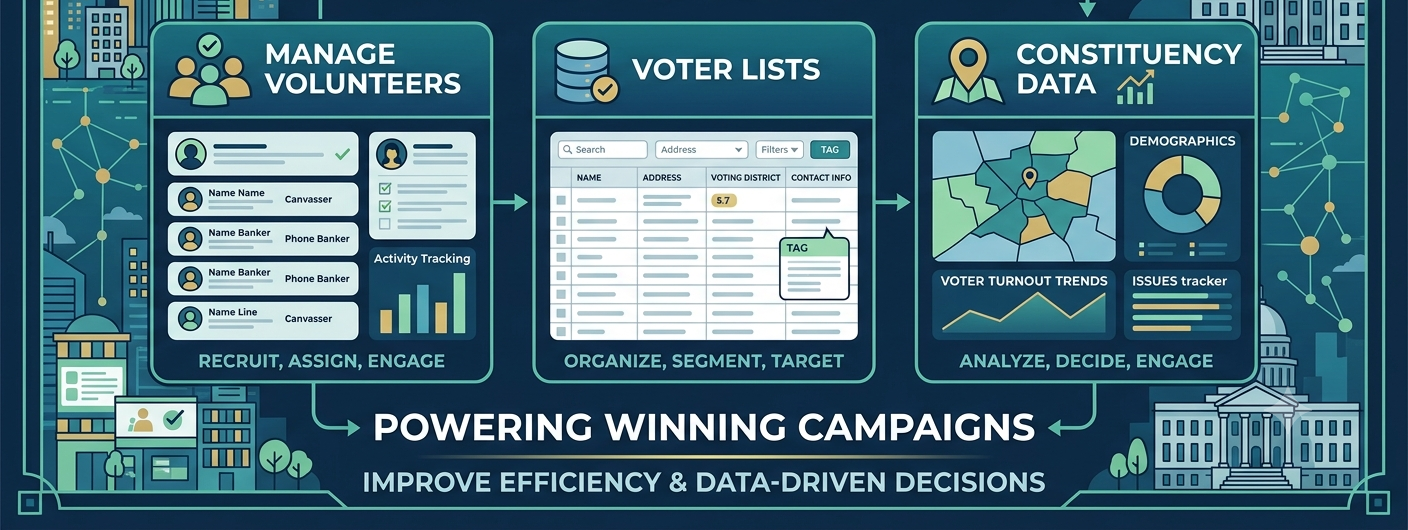
An experienced communication service provider can help campaign teams manage large-scale outreach more effectively.
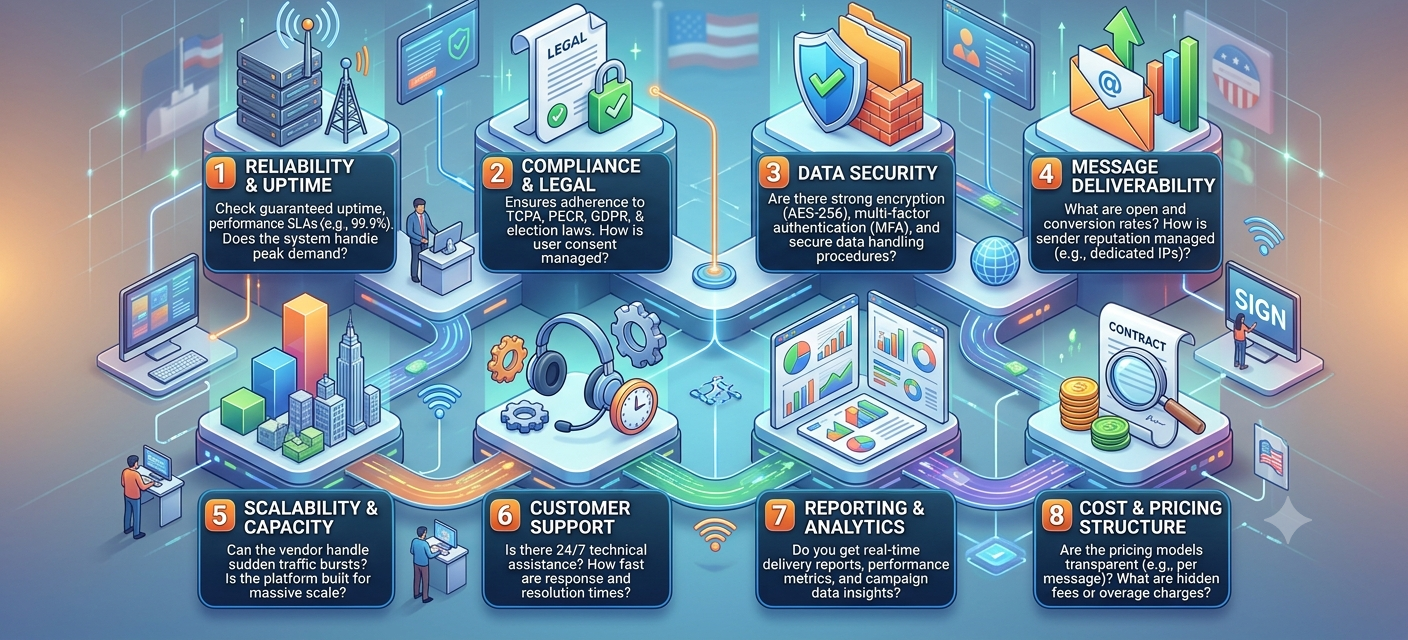
Look for a provider that offers:
- 📩 High-volume https://nexcomm.in/services/bulk-sms delivery
- 💬 Reliable Bulk WhatsApp messaging
- 📞 Scalable Bulk Voice Call campaigns
- 📊 Delivery reports and analytics
- 📅 Campaign scheduling tools
- 🛡️ Technical support and compliance guidance
A professional platform helps ensure communication campaigns are well organized and easier to manage throughout the election period.