📞 TRAI Rules for Bulk Voice Calls in India: Complete Compliance Guide
Bulk Voice Calling has become one of the most effective communication channels for businesses, educational institutions, healthcare providers, financial organizations, and government agencies. Whether it's appointment reminders, payment alerts, customer notifications, or awareness campaigns, voice broadcasting helps organizations reach thousands of people instantly.
However, businesses using voice communication services must ensure compliance with Indian telecom regulations. Failure to follow applicable rules can result in customer complaints, service restrictions, reputational damage, and regulatory scrutiny.
This guide explains the key TRAI voice call rules, important DND voice call regulations in India, telemarketing compliance considerations, and best practices businesses should follow before launching voice campaigns.
🎯 Why Compliance Matters in Bulk Voice Calling
Customer trust is the foundation of successful communication.
When businesses contact recipients without proper permissions or send unwanted promotional calls, it can lead to:
❌ Customer complaints
❌ Brand reputation issues
❌ Reduced campaign effectiveness
❌ Regulatory challenges
A compliant voice communication strategy helps businesses:
✅ Improve delivery performance
✅ Protect customer trust
✅ Reduce complaints
✅ Maintain long-term communication channels
📞 What Are Bulk Voice Calls?
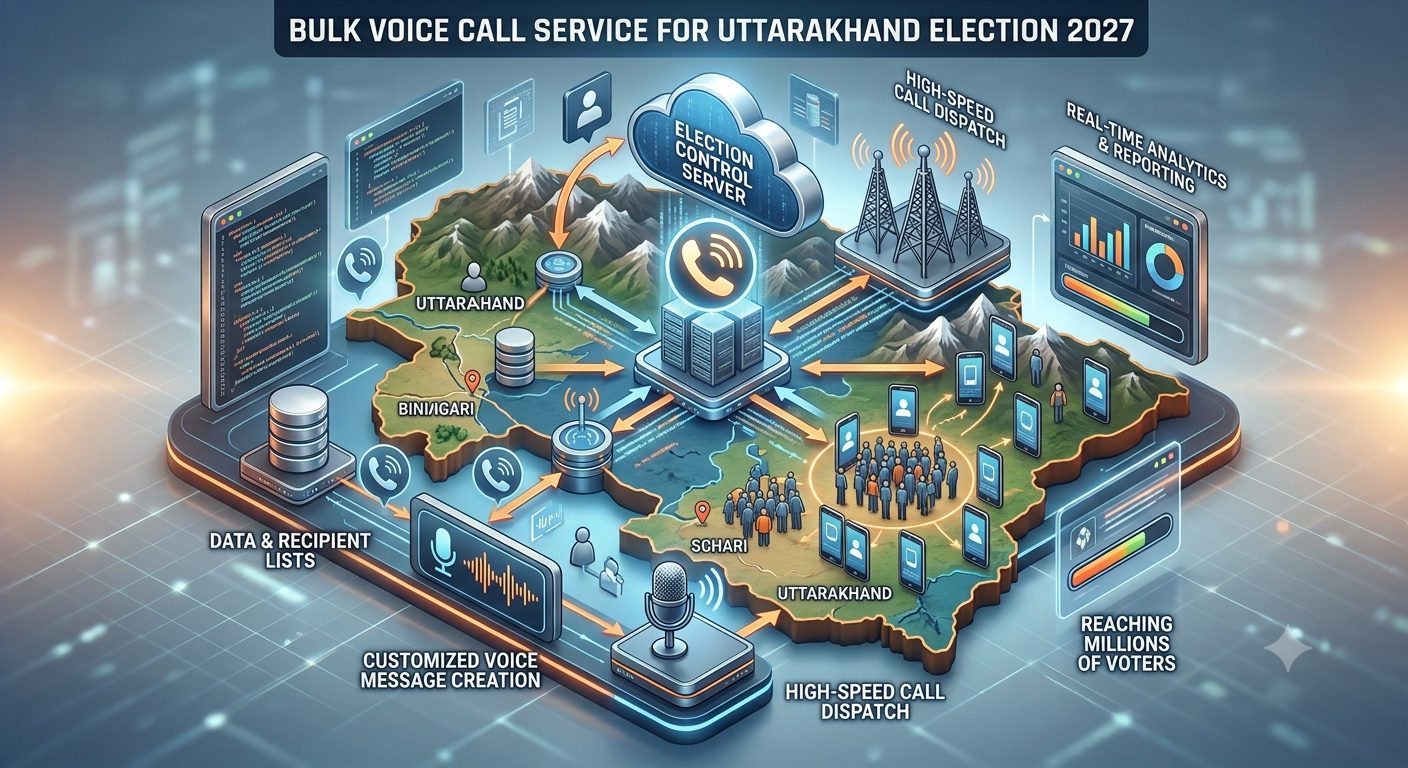
Bulk voice calls are automated outbound calls that deliver pre-recorded voice messages to multiple recipients simultaneously.
Organizations commonly use them for:
- Appointment reminders
- Payment notifications
- School announcements
- Delivery updates
- Customer service notifications
- Awareness campaigns
- Promotional communication (where permitted)
These calls are typically delivered through a cloud telephony or voice broadcasting platform.
🇮🇳 Understanding TRAI's Role in Telecom Communication
The telecom ecosystem in India is regulated by the telecom regulatory framework overseen by authorities responsible for consumer protection and communication standards.
The objectives include:
- Protecting consumers from unsolicited communications
- Promoting responsible business communication
- Encouraging transparency
- Reducing spam and nuisance calls
- Improving telecom service quality
Businesses using bulk voice communication should always work with compliant telecom service providers and follow applicable guidelines.
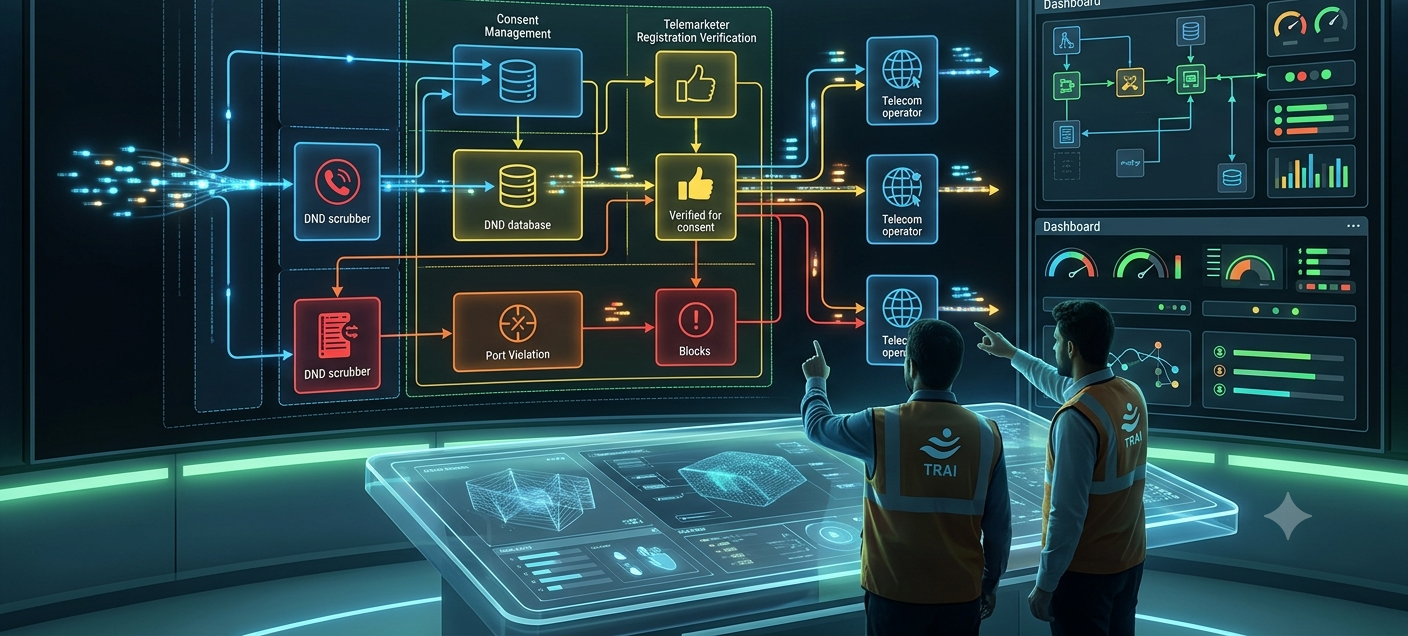
🚫 Understanding DND Voice Call Regulations in India
One of the most important compliance considerations is customer consent.
Many mobile subscribers register for Do Not Disturb (DND) preferences to limit unwanted commercial communications.
Businesses should respect customer communication preferences and maintain proper records of customer permissions wherever applicable.
Why DND Compliance Is Important
DND regulations are designed to:
- Protect consumers from unwanted calls
- Reduce spam communication
- Improve customer experience
Ignoring customer preferences can result in complaints and negatively impact campaign performance.
📋 Key Compliance Principles for Bulk Voice Calling
1. Obtain Customer Consent First ✅
Consent is one of the most important principles of compliant communication.
Before initiating voice campaigns, businesses should ensure recipients have voluntarily shared their contact information and agreed to receive communications.
Examples
- Website registrations
- Customer inquiry forms
- Service subscriptions
- Purchase confirmations
- Membership enrollments
Best Practice
Maintain records showing how and when consent was obtained.
2. Maintain an Opt-In Database 📂
Businesses should only contact individuals who have willingly shared their details.
An opt-in database generally produces:
✔ Better engagement
✔ Higher response rates
✔ Lower complaint volumes
✔ Improved campaign performance
3. Respect Customer Communication Preferences 🤝
Customers should have control over how businesses communicate with them.
Organizations should provide simple mechanisms that allow recipients to:
- Update preferences
- Request communication changes
- Opt out when appropriate
4. Keep Accurate Contact Records 📊
Maintaining updated customer records helps reduce communication errors.
Good record management includes:
- Consent logs
- Contact source records
- Campaign history
- Customer preferences
This documentation can be valuable if compliance questions arise.
5. Use Appropriate Communication Types 🎯
Different communication objectives may require different communication channels.
Examples include:
Transactional Communication
- Appointment confirmations
- Order updates
- Payment notifications
- Service alerts
Promotional Communication
- Product offers
- Discount campaigns
- Event promotions
- Marketing messages
Businesses should clearly distinguish between transactional and promotional communications and follow applicable requirements.
⚠️ Common Compliance Mistakes Businesses Should Avoid
Calling Without Consent
One of the most common mistakes is contacting recipients who never requested communication.
Impact
- Customer complaints
- Reduced trust
- Poor campaign performance
Purchasing Unknown Databases
Buying third-party contact lists often creates compliance and quality issues.
Risks
❌ Invalid data
❌ Low engagement
❌ Increased complaints
❌ Brand damage
Excessive Calling Frequency
Even customers who have opted in may become frustrated if contacted too frequently.
Best Practice
Develop a communication schedule that balances customer engagement with respect for customer experience.
Poor Campaign Targeting
Sending irrelevant messages often generates complaints.
Best Practice
Segment audiences carefully before launching campaigns.
🏢 Industry-Wise Compliance Considerations
🎓 Education Sector
Common voice call campaigns:
- Attendance alerts
- Fee reminders
- Parent notifications
- Exam schedules
Best Practice:
Ensure parent contact information is collected through official enrollment processes.
🏥 Healthcare Industry
Common campaigns:
- Appointment reminders
- Health awareness campaigns
- Vaccination notifications
Best Practice:
Protect patient privacy and communicate only relevant information.
🏠 Real Estate Industry
Common campaigns:
- Project launches
- Site visit invitations
- Lead nurturing
Best Practice:
Contact only individuals who have expressed interest in property-related information.
🏦 Banking and Financial Services
Common campaigns:
- EMI reminders
- Service notifications
- Account updates
Best Practice:
Maintain strong customer consent and record-keeping processes.
📊 Compliance Checklist for Bulk Voice Call Campaigns
Before launching a campaign, verify:
✅ Recipient consent available
✅ Contact records updated
✅ Campaign audience verified
✅ Message content reviewed
✅ Customer preferences respected
✅ Communication purpose defined
✅ Reporting system enabled
✅ Opt-out process available
Using a checklist helps reduce operational and compliance risks.
🔒 Data Privacy and Customer Trust
Compliance is not only about regulations—it's also about customer trust.
Businesses should:
- Protect customer information
- Restrict unauthorized access
- Store records securely
- Follow internal governance policies
Organizations that prioritize privacy often achieve stronger customer relationships and higher engagement rates.
📈 Benefits of Running Compliant Voice Campaigns
Businesses that follow bulk calling compliance best practices typically experience:
✔ Higher answer rates
✔ Better customer trust
✔ Lower complaint volumes
✔ Improved campaign ROI
✔ Stronger brand reputation
✔ Long-term communication success
Compliance should be viewed as a competitive advantage rather than an operational burden.
🤖 Future of Voice Communication Compliance
As communication technologies continue evolving, businesses are adopting:
- AI-powered voice assistants
- Intelligent IVR systems
- Consent management platforms
- Advanced customer preference controls
- Omnichannel communication strategies
Organizations that build compliance into their communication processes today will be better prepared for future regulatory developments.