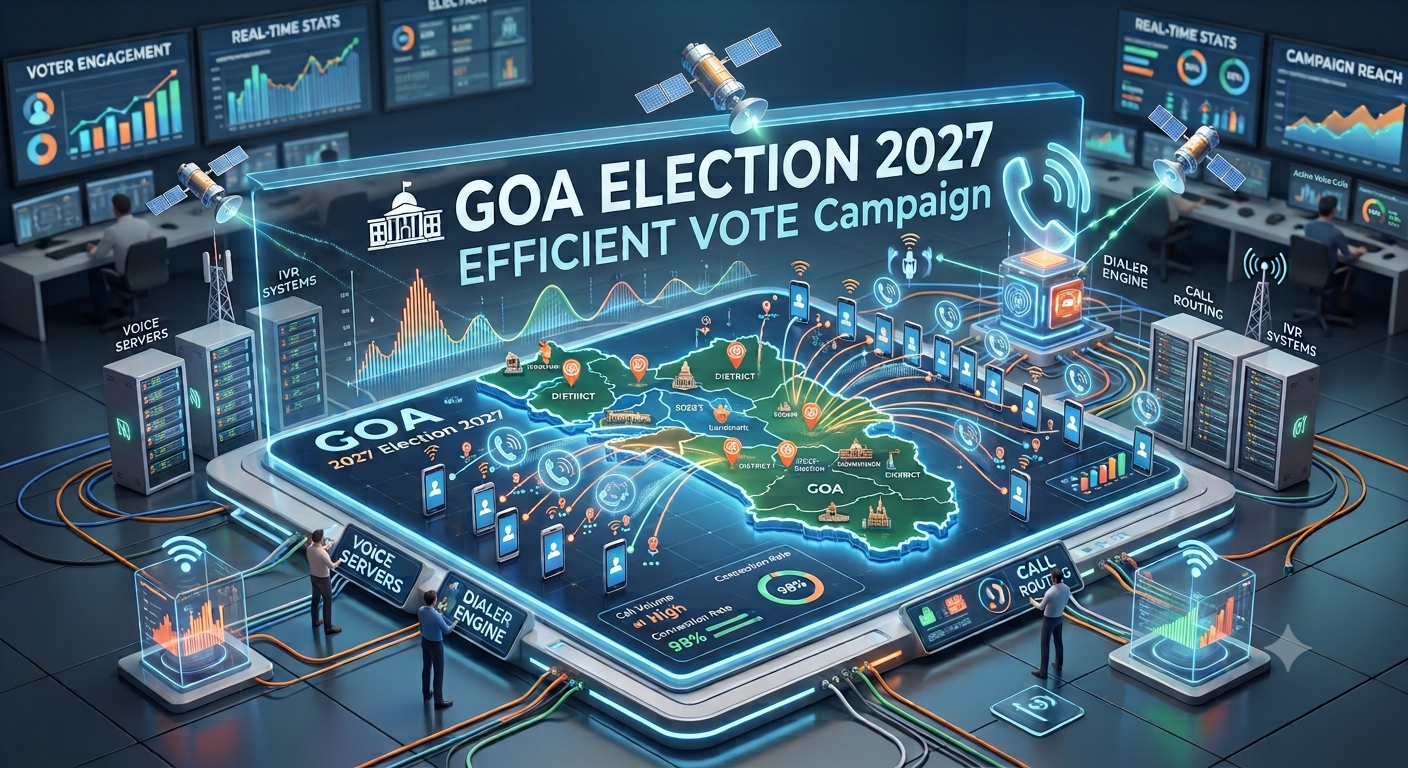
Bulk Voice Call Service for Goa Election 2027
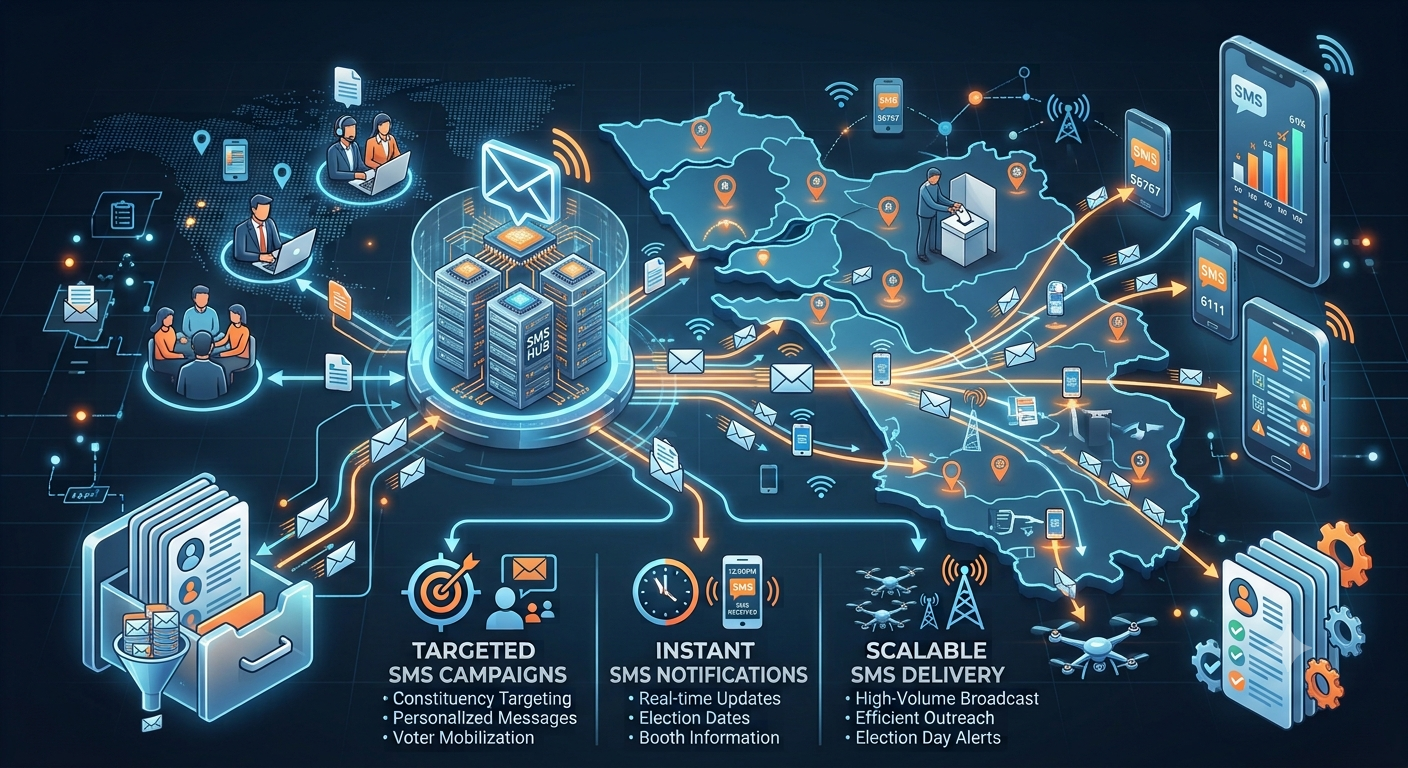
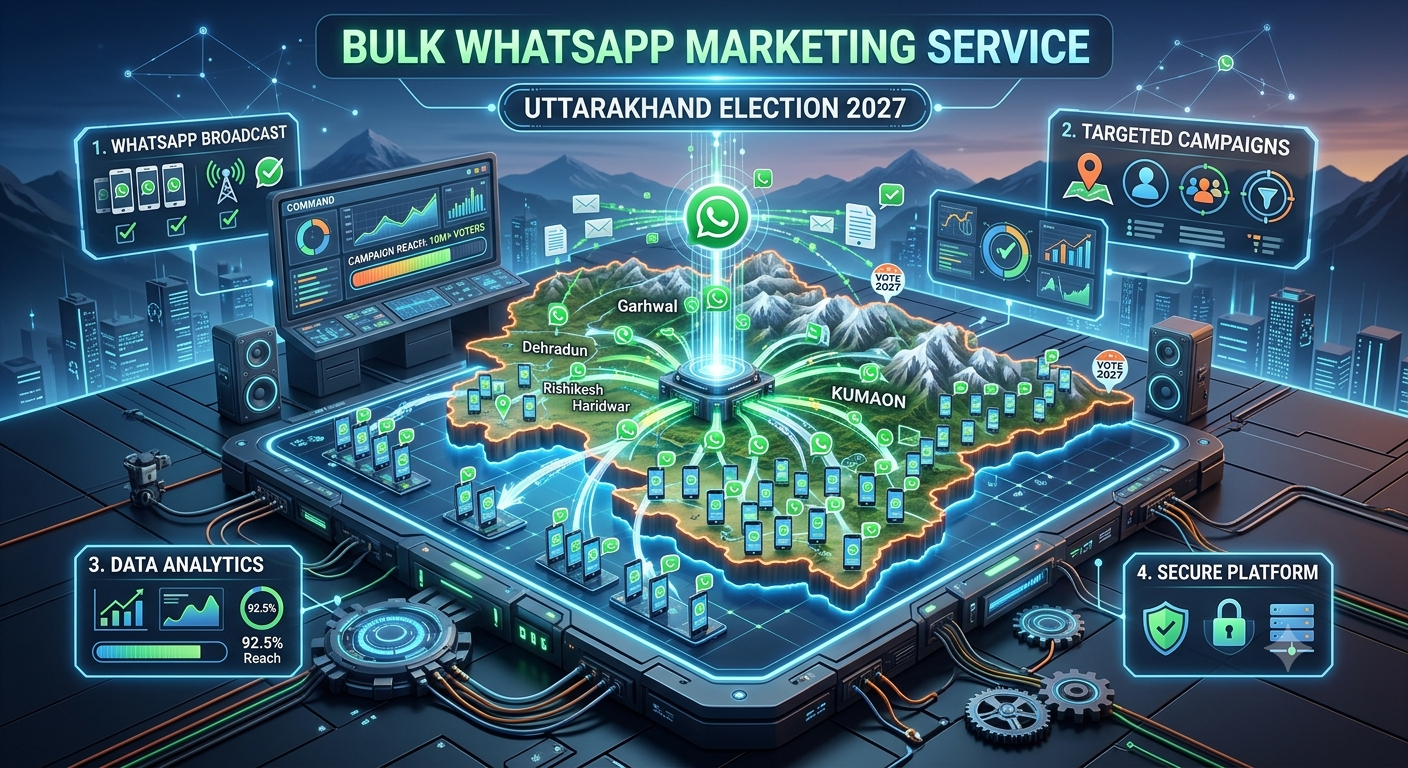
As the Goa Assembly Election 2027 approaches, political organizations, candidates, campaign teams, and election communication agencies may need reliable channels to communicate with supporters, volunteers, and other authorized audiences.
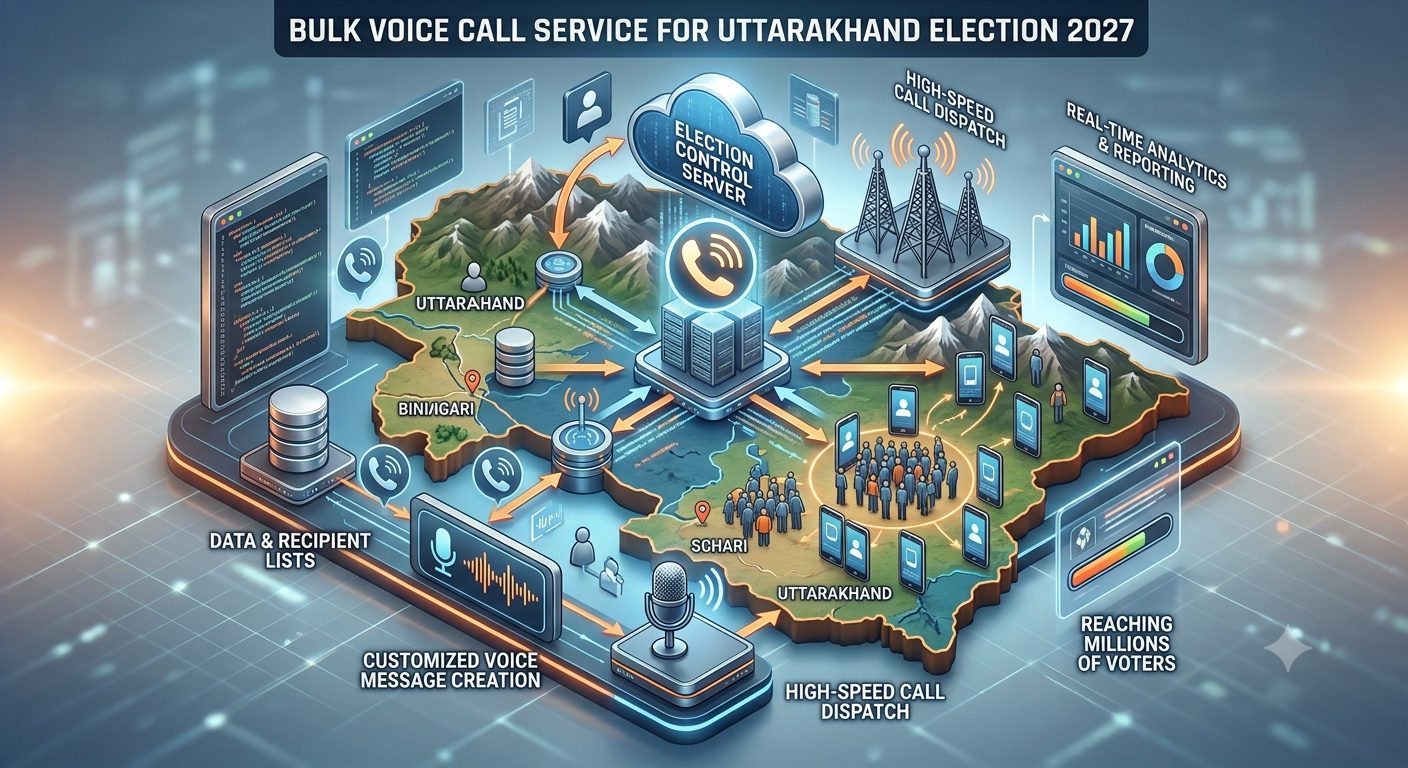
Bulk Voice Call Service for Goa Election 2027 can help organizations deliver recorded voice messages at scale without requiring campaign teams to call every contact manually. Depending on the communication purpose and applicable regulations, voice campaigns can be used for event announcements, volunteer coordination, campaign information, reminders, and other permitted communications.
The Election Commission of India currently lists the term of the Goa Legislative Assembly as ending on 14 March 2027. The exact polling schedule should be treated as official only when announced by the Election Commission.
For election communication, however, reaching a large audience is only one part of the process. Campaign teams also need to consider telecom regulations, consent and preference requirements, calling infrastructure, data handling, and applicable election rules.
📞 What Is Bulk Voice Call Service?
Bulk Voice Call is a technology that allows an organization to deliver a pre-recorded voice message to a large number of telephone numbers through an automated calling platform.
Instead of manually calling every recipient, a campaign team can upload an authorized contact list, select or upload a voice recording, configure the campaign, and monitor the results through a centralized platform.
Depending on the service configuration, a Bulk Voice Call campaign can provide:
Automated outbound calling
Pre-recorded voice messages
Campaign scheduling
Call status reports
Answered and unanswered call data
Call duration information
Response capturing through keypad input
Campaign-wise reporting
This can make large-scale communication easier to organize and monitor.
🗳️ How Bulk Voice Calls Can Be Used for Goa Election 2027
A voice campaign can be useful for several legitimate communication purposes.
1. Event and Meeting Information
Campaign organizations can use voice messages to communicate information about authorized public meetings, organizational events, or volunteer activities.
For example, a recorded message could provide:
Event date
Time
Location
Contact information
Additional instructions
2. Volunteer Coordination
Large campaign organizations often have volunteers working across different areas.
Voice calls can help communicate:
Meeting reminders
Training schedules
Organizational updates
Campaign activity information
Coordination instructions
3. Public Information
Where permitted, voice communication can be used to distribute factual information relevant to an organization's campaign activities.
The message should clearly identify the sender and avoid misleading or unverifiable claims.
4. Response-Capturing Campaigns
Some Bulk Voice Call platforms support keypad-based responses.
For example:
“Press 1 to confirm attendance.”
“Press 2 if you require more information.”
The campaign dashboard can then record the response associated with each call.
This can be useful for operational planning and event coordination.
⚙️ How Bulk Voice Call Service Works
A typical Bulk Voice Call campaign follows a simple workflow.
Step 1: Prepare the Contact Database
The organization prepares its authorized contact list.
The source and use of the database should be appropriate for the intended communication and compliant with applicable requirements.
Step 2: Create the Voice Recording
A professional voice recording is prepared.
The recording should be:
Clear
Concise
Easy to understand
Accurately attributed
Relevant to the purpose of the call
Step 3: Configure the Campaign
The campaign manager uploads the database and recording into the voice calling platform.
Depending on the platform, settings may include:
Campaign name
Calling list
Retry settings
Calling window
Response options
Campaign schedule
Step 4: Launch the Campaign
The voice platform initiates calls according to the configured campaign and applicable telecom requirements.
Step 5: Monitor Reports
After the campaign begins, the dashboard can provide information such as:
Calls attempted
Calls answered
Calls unanswered
Busy numbers
Failed calls
Call duration
Keypad responses
This information can help campaign teams evaluate operational performance.
📊 What Is Response Capturing in Voice Calls?
One of the useful features of modern Bulk Voice Call platforms is response capturing.
Instead of simply playing a recording, the system can ask the recipient to select an option using the phone keypad.
For example:
“Press 1 to confirm your participation. Press 2 if you need assistance.”
The system records the selected response and associates it with the relevant phone number.
Benefits of Response Capturing
Easy audience interaction
Faster data collection
Automated response reports
Less manual calling
Better event coordination
Easier follow-up management
For large organizations, this can turn a one-way voice broadcast into a measurable communication workflow.
🔐 Telecom Compliance for Bulk Voice Calling
Bulk voice calling in India is subject to the telecom regulatory framework. TRAI's current guidance recognizes voice calls as part of the commercial communication ecosystem and identifies requirements relating to registered senders, preferences, consent, and telemarketer functions.
TRAI also defines promotional voice calls as commercial communications where the sender has not obtained explicit consent from the intended recipient.
Therefore, organizations should not treat Bulk Voice Call as simply uploading a database and starting automated calls.
The applicable category and compliance process should be determined before a campaign is launched.
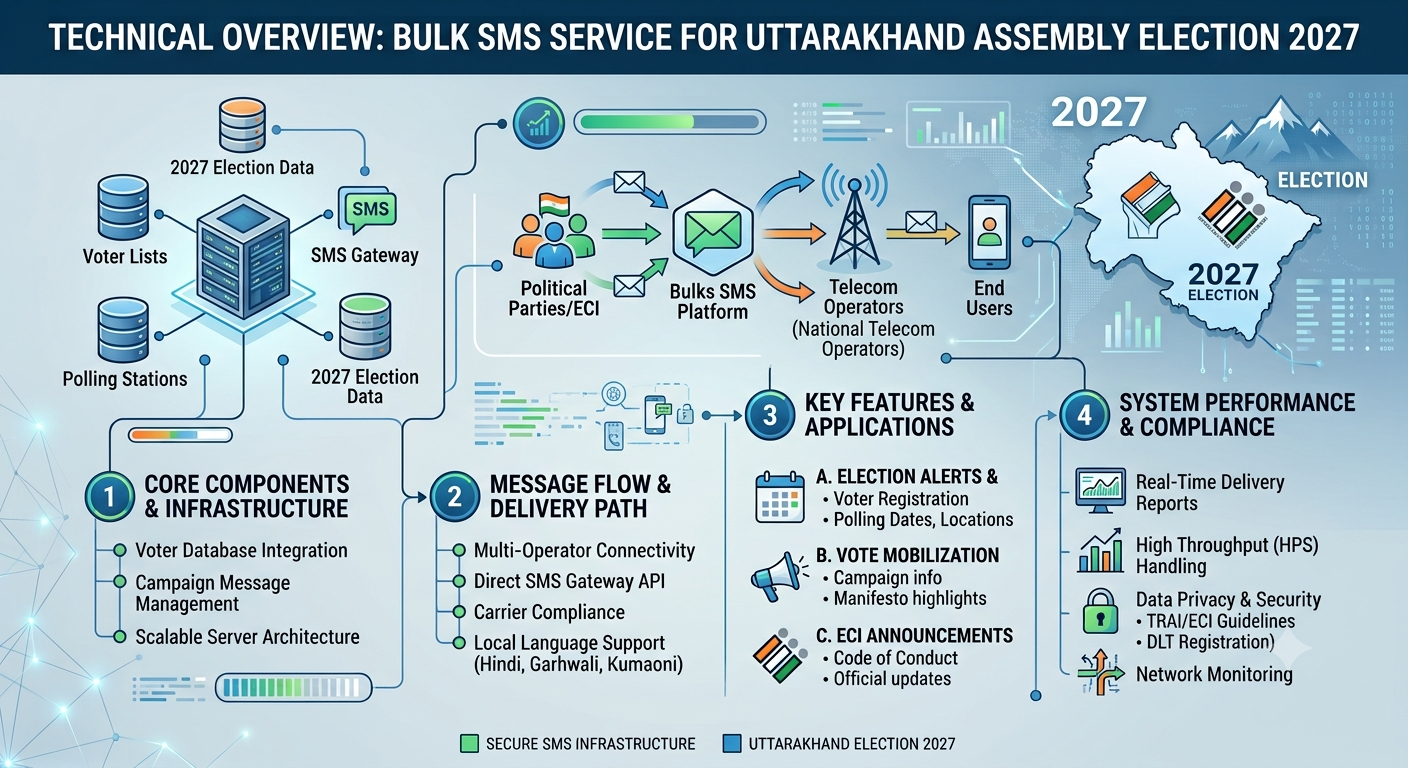
🆔 How DLT Relates to Political SMS and Voice Communication
The keyword DLT registration political party SMS is commonly searched by organizations preparing election communication infrastructure.
DLT, or Distributed Ledger Technology, is part of India's framework for regulating telecom commercial communications. TRAI's sender guidance identifies requirements such as:
Principal Entity registration
Header assignment
Content-template registration
Transmission of relevant PE ID, header, and Content ID for applicable messaging
Consent-related processes where applicable
For SMS campaigns, these requirements are particularly important.
Voice communication has its own regulatory and technical considerations. TRAI has also issued directions relating to implementation of a Voice DLT solution for commercial communications.
Therefore, organizations should not assume that DLT registration political party SMS requirements and Bulk Voice Call requirements are exactly the same. The communication channel and purpose need to be evaluated separately.
📱 SMS vs Bulk Voice Call for Election Communication
Both channels can serve different communication requirements.
Feature | ||
|---|---|---|
Communication format | Text | Recorded voice |
Personal voice message | No | Yes |
Large-scale delivery | Yes | Yes |
Response capturing | Limited | Available on supported platforms |
Useful for short information | Yes | Yes |
Language flexibility | Text-based | Spoken-language based |
Delivery reporting | Available | Available |
Automated campaigns | Yes | Yes |
A campaign organization may use one channel or multiple channels depending on its legitimate communication requirements and applicable rules.
🎙️ Creating an Effective Voice Campaign
A successful voice campaign should not be unnecessarily long.
Keep the Recording Short
Recipients are more likely to understand a concise message.
A voice script should generally communicate:
Who is calling
Why the call is being made
The important information
What action, if any, the recipient should take
Use Clear Language
Avoid complicated sentences and unnecessary terminology.
If communicating with a multilingual audience, organizations should consider the language appropriate for the intended recipients.
Identify the Sender
The recipient should be able to understand who is responsible for the communication.
Avoid Misleading Claims
Election-related communication should be factually presented and should follow applicable election laws and instructions.
📈 Important Features to Look for in a Bulk Voice Call Platform
A professional Bulk Voice Call Service for Goa Election 2027 can include:
Automated Calling
Launch large campaigns from a centralized dashboard.
Response Capturing
Allow recipients to respond through keypad options.
Detailed Reports
Monitor call status, duration, and responses.
Campaign Scheduling
Schedule campaigns according to the applicable calling window and regulatory requirements.
Contact Management
Organize authorized contact lists for different communication activities.
API Integration
Organizations with existing CRM or campaign software can integrate voice calling through APIs where supported.
Retry Management
Some platforms can configure retry attempts for unsuccessful calls, subject to applicable rules and platform capabilities.
⚠️ Common Mistakes to Avoid
Political communication teams should avoid treating voice calling as an unrestricted mass-marketing channel.
Using Unverified Databases
Do not use scraped or improperly sourced mobile numbers.
Ignoring Recipient Preferences
TRAI's customer preference framework includes voice calls among the communication modes that recipients can manage through preference settings.
Using Personal Mobile Numbers for Mass Calling
TRAI states that subscribers using 10-digit numbers for commercial communications can be treated as unregistered telemarketers and are not permitted to make unsolicited commercial communications.
Making Excessively Long Recordings
Long recordings can reduce engagement and make the communication difficult to follow.
Failing to Maintain Campaign Records
Campaign teams should retain appropriate records of their communication activity, database source, approvals, and campaign configuration.