
RCS Business Messaging (RBM): Everything You Need to Know
Business communication is undergoing a major transformation. Traditional SMS has served organizations for decades, but modern customers now expect richer, faster, and more interactive experiences. Businesses need messaging solutions that combine reach, trust, engagement, and personalization.
This is where RCS Business Messaging (RBM) comes into play.
RBM enables businesses to deliver rich, branded, and interactive messages directly to customers through their native messaging applications. From product catalogs and videos to appointment reminders and customer support, RBM offers a powerful communication channel that bridges the gap between SMS and messaging apps.
As enterprises increasingly invest in digital engagement strategies, understanding RCS Business Messaging has become essential for marketers, developers, customer support teams, and business leaders.
In this complete guide, you'll learn:
RBM meaning and fundamentals
How Google RBM works
Benefits of verified sender RCS profiles
Business use cases and industry applications
RBM vs SMS and WhatsApp comparisons
Future opportunities for businesses
What is RCS Business Messaging (RBM)?
RCS Business Messaging (RBM) is a business communication framework built on Rich Communication Services (RCS) technology.
It allows verified businesses to communicate with customers using:
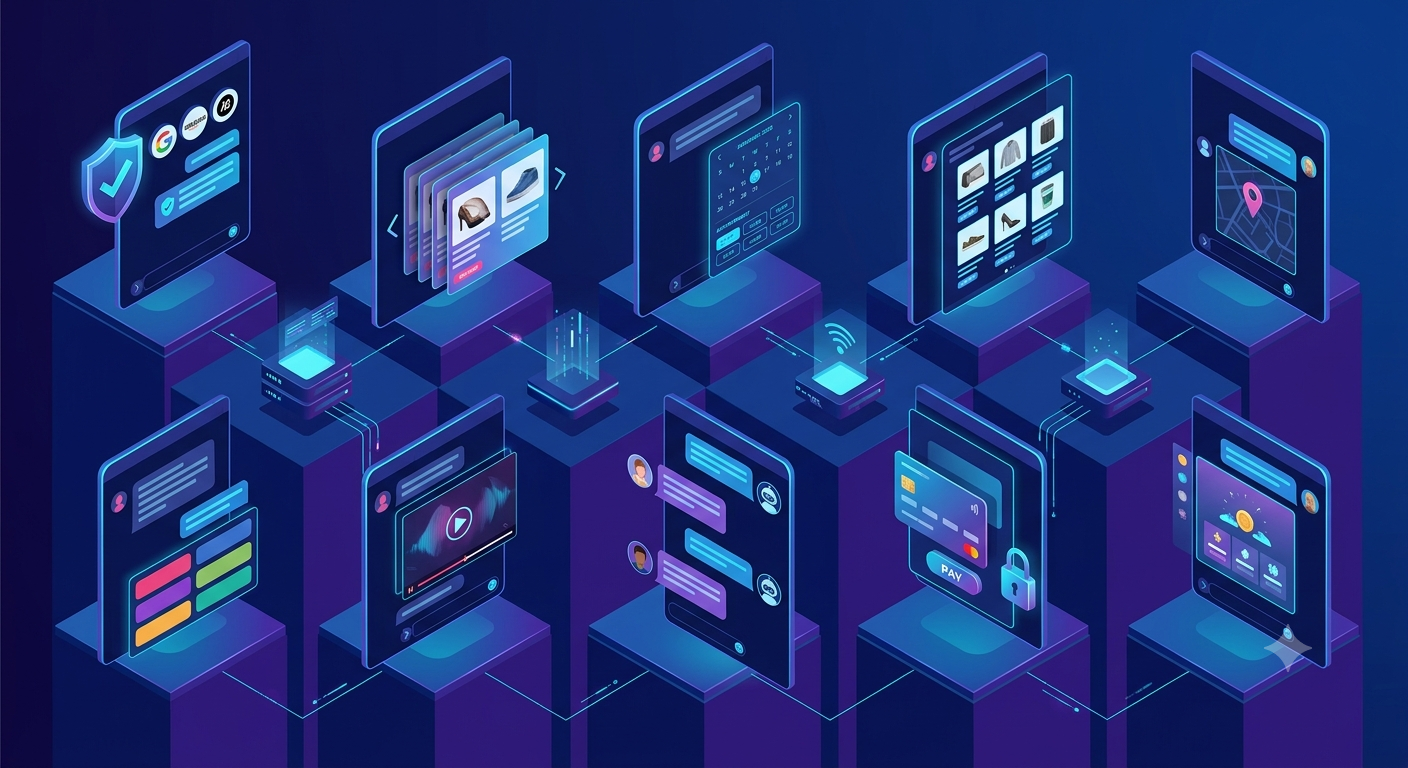
Rich media content
Interactive buttons
Product carousels
Suggested replies
Branded sender profiles
Two-way conversations
Unlike traditional SMS, RBM creates app-like messaging experiences within supported messaging applications.
Simply put, RBM transforms messaging from simple notifications into interactive customer journeys.
RBM Meaning Explained
Many businesses ask:
What is RBM Meaning?
RBM stands for RCS Business Messaging.
It is the business-focused implementation of RCS technology that enables organizations to communicate with customers through verified and interactive messaging experiences.
RBM combines:
The reach of mobile messaging
The branding of digital channels
The engagement of conversational experiences
This makes it one of the most powerful communication tools available today.
How Google RBM Works
Google has played a significant role in expanding RCS adoption globally.
Google RBM Ecosystem
The Google RBM ecosystem consists of:
Verified business agents
Messaging platforms
Carrier networks
Android messaging applications
Customer devices
When a business sends a message through an RBM platform:
The message is created by the business.
The RBM platform processes the request.
The message is delivered through the RCS network.
Customers receive a branded interactive experience.
This process happens seamlessly behind the scenes.
What is a Verified Sender RCS Profile?
One of the strongest advantages of RBM is trust.
Traditional SMS messages often display only a sender ID or phone number.
With Verified Sender RCS, businesses can display:
Company Name
Brand Logo
Verification Badge
Contact Information
Website Details
This helps customers immediately recognize legitimate business communication.
Why Verified Sender Profiles Matter
Verified branding provides several benefits:
Increased Trust
Customers are more likely to engage with recognized brands.
Reduced Spam Concerns
Verification helps distinguish genuine businesses from fraudulent senders.
Higher Engagement
Branded messages often achieve stronger interaction rates.
Improved Customer Experience
Professional presentation enhances communication quality.
Key Features of RCS Business Messaging
RBM introduces capabilities that traditional SMS simply cannot provide.
Rich Media Messaging
Businesses can send:
Images
Videos
GIFs
Product galleries
This makes communication visually appealing and engaging.
Interactive Buttons
Customers can take action directly from the message.
Examples:
Buy Now
Learn More
Book Appointment
Contact Support
Product Carousels
Retailers can showcase multiple products in a swipe able format.
Ideal for:
eCommerce promotions
Product launches
Personalized recommendations
Suggested Replies
Quick reply buttons simplify customer interactions.
Examples:
Yes
No
Talk to Sales
Schedule Demo
Read Receipts & Analytics
Businesses gain visibility into:
Deliveries
Reads
Clicks
Customer interactions
This enables data-driven campaign optimization.
Benefits of RCS Business Messaging
Organizations across industries are investing in RBM because of its measurable business impact.
Better Customer Engagement
Interactive experiences encourage users to participate rather than passively read messages.
Higher Conversion Rates
Customers can complete actions directly within conversations.
Stronger Brand Visibility
Verified branding creates a professional presence.
Enhanced Customer Experience
Customers receive relevant information in an easy-to-use format.
Improved Communication Efficiency
Businesses can automate customer journeys using APIs and integrations.
Top Use Cases of RCS Business Messaging
Ecommerce & Retail
Retailers use RBM for:
Product promotions
Cart recovery campaigns
Order tracking
Loyalty programs
Banking & Financial Services
Banks use RBM for:
Transaction alerts
Fraud notifications
Credit card offers
Account updates
Healthcare
Healthcare organizations leverage RBM for:
Appointment reminders
Prescription notifications
Wellness campaigns
Education
Educational institutions use RBM for:
Admission updates
Parent communication
Event announcements
Travel & Hospitality
Travel brands use RBM for:
Booking confirmations
Travel itineraries
Boarding notifications
Hotel reservations
RBM vs Traditional SMS
Feature | SMS | RBM |
|---|---|---|
Rich Media | No | Yes |
Images & Videos | No | Yes |
Interactive Buttons | No | Yes |
Branding | No | Yes |
Read Receipts | No | Yes |
Product Catalogs | No | Yes |
Analytics | Limited | Advanced |
RBM delivers a significantly richer customer experience.
RBM vs WhatsApp Business Messaging
Both channels offer rich communication, but they differ in several ways.
Feature | RBM | |
Native Messaging App | Yes | No |
App Installation Required | No | Yes |
Verified Branding | Yes | Yes |
Rich Media | Yes | Yes |
Interactive Messaging | Yes | Yes |
API Integration | Yes | Yes |
Many businesses use both channels as part of an omnichannel communication strategy.
RBM API Integration
Modern RBM platforms offer APIs that integrate with:
CRM systems
Marketing automation platforms
Customer support software
eCommerce applications
SaaS products
This allows businesses to automate messaging workflows at scale.
Future of RCS Business Messaging
The future of customer communication is becoming increasingly conversational.
Industry experts expect RBM adoption to grow due to:
Increased smartphone usage
AI-powered automation
Conversational commerce
Personalized engagement
Demand for better customer experiences
RBM is positioned to become a key channel in modern customer communication strategies.
Best Practices for RBM Campaigns
To maximize performance:
Personalize Messages
Tailor content to customer preferences and behavior.
Use Rich Media Wisely
Visual content should support the message objective.
Include Clear CTAs
Guide users toward the next action.
Monitor Analytics
Continuously optimize campaigns using engagement data.
Maintain Brand Consistency
Use logos, colors, and messaging aligned with your brand identity.
More in RCS Messaging guides.