By Rohit Jadhav, Nexcomm. Reviewed 11 November 2026.
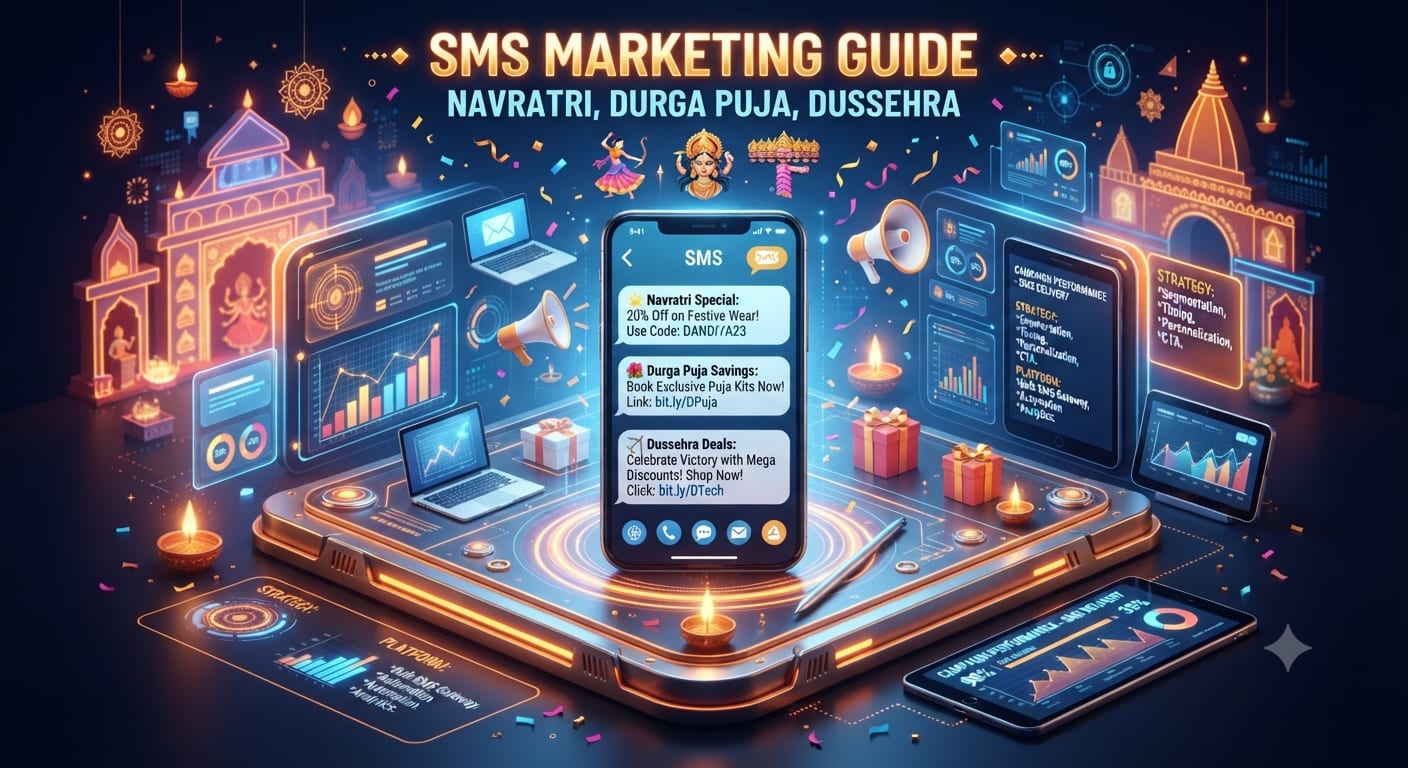
Navratri, Durga Puja and Dussehra come back to back in the early autumn, and they matter in different ways in different states: garba nights in Gujarat, pandals and shopping in West Bengal, Ravana dahan and vehicle purchases in the north and west. This guide shows how to plan SMS and WhatsApp messages across the festival run, and it leads into Diwali, which follows soon after. See our Diwali SMS campaign guide, the 2027 marketing calendar and our guide to Ganesh Chaturthi campaigns, which come before it. We send these through bulk SMS.
Quick answer
Treat these as three regional campaigns, not one. Split your list by state or language, send each group a greeting and an offer that matches how that region celebrates, and plan the nine to ten days as a sequence: teaser, main offer, mid-festival reminder, greeting and a thank-you. The dates follow the lunar calendar, so confirm them from an official calendar and register templates well ahead.
How the three differ
| Festival | Where it is strongest | What customers do | What to message |
|---|---|---|---|
| Navratri | Gujarat, Maharashtra, much of the north | Garba and dandiya events, festive clothing and jewellery, fasting food | Event passes, outfits, fasting menus, delivery cut-offs |
| Durga Puja | West Bengal and Bengali communities | New clothes, pandal visits, food, gifting | Pre-puja shopping, restaurant bookings, greetings in Bengali |
| Dussehra | Across India | Buying vehicles, gold and appliances on an auspicious day | Vehicle delivery and booking offers, greetings |
A message sequence
- Teaser, a week or more before. What you are offering and from when.
- Offer message, 2 to 3 days before. One clear offer and its last date.
- Mid-festival reminder. Delivery cut-off or store timings.
- Greeting on the main day. Greeting only.
- Thank-you after. A short note and the next offer, possibly Diwali.
Language and greetings
Use the customer's language where you can. A Bengali greeting such as "Subho Sharodiya" for the puja season, or "Subho Bijoya" after Dashami, reads warmer than English. Have a native speaker in your team check every greeting before you register it. See multilingual SMS campaigns.
Hypothetical messages
- Garment store, Ahmedabad: "Navratri outfits at [Store]. New chaniya choli and kurta collection from [date]. Alterations in 2 days."
- Restaurant, Kolkata: "Pujo special at [Restaurant]. Book your table for Ashtami by [date]. Call [number]."
- Dealer, Pune: "Dussehra offers at [Dealer]. Book by [date] for same-day delivery on Dussehra."
Replace the bracketed items. Register each as a template; see why templates are rejected.
Planning notes
- Dates. Navratri, Durga Puja and Dussehra shift each year. Confirm from an official calendar and be ready to move a message by a day.
- Timing. Avoid late-night sends during garba and puja evenings.
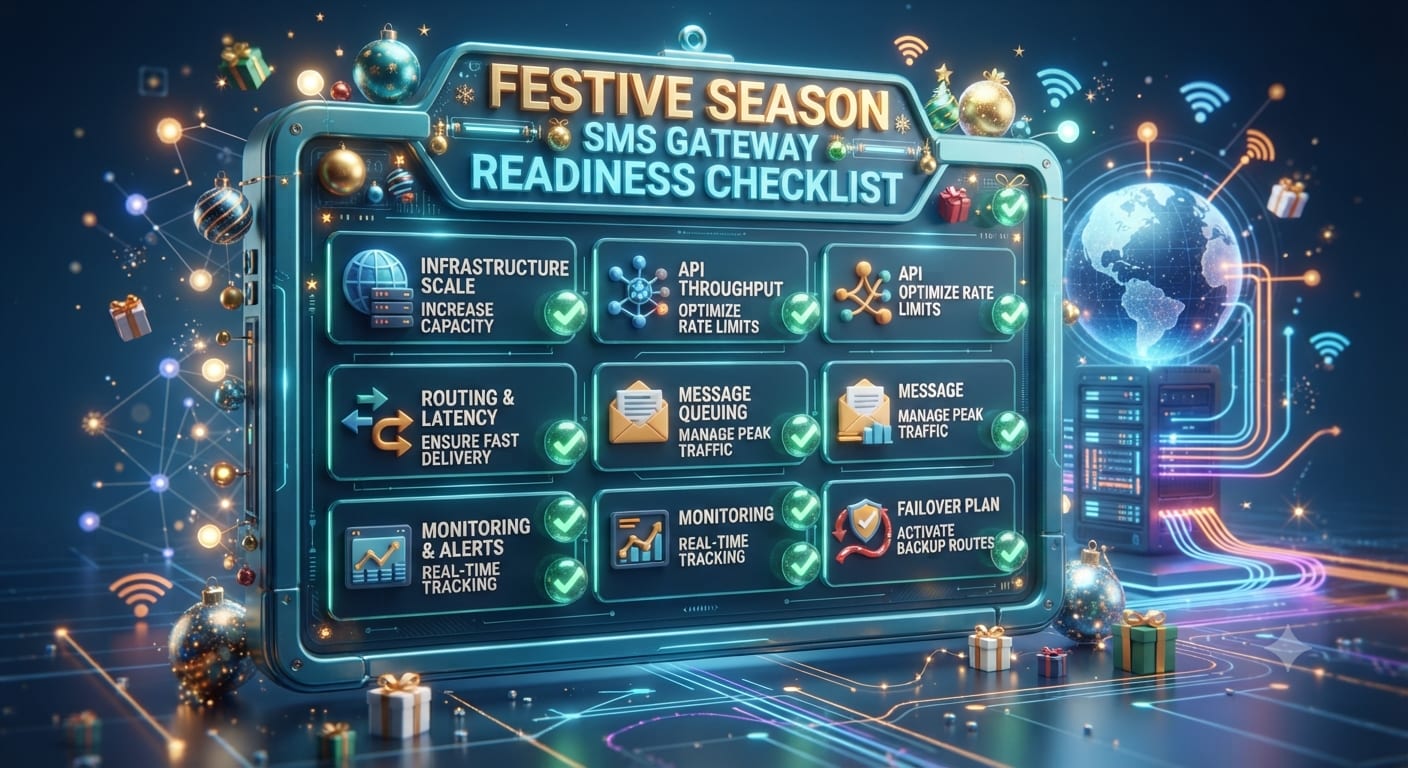
- Volume. Festival peaks are heavy for the gateway too; see our festive season SMS guide.
- Consent. Send offers only to customers who agreed; see SMS consent rules in India.
More guides: Seasonal and festive marketing guides.
Frequently asked questions
When are Navratri, Durga Puja and Dussehra in 2027?
They fall in autumn by the lunar calendar, usually between late September and October. Check an official calendar for exact days.
Should I send one message for all three?
Better to send separate regional messages to separate groups.
How early should I register templates?
Three to four weeks before, so a rejection does not make you miss the date. See DLT registration.
Sources checked
- TRAI, TCCCPR 2018, trai.gov.in.
- Festival dates are not given here because they follow the lunar calendar; confirm before sending.